
PROTECTION OF THE NATURAL ENVIRONMENT

Coral Travel
Coral Travel Group operates as a tour operator and sales agency under the Coral Travel brand in 15 countries, working with local and international airlines in its international operations.
The sustainability approach in the tourism sector also includes the environmental performance of transportation service providers.In this context, airlines’ carbon emissions management, fleet efficiency and sustainability strategies play an important role in supplier evaluation processes. Coral Travel Group closely monitors the sustainability performance of its airline partners and in addition to operational capacity and service quality, also evaluates carbon management and environmental performance in its supplier selection processes.
The aviation sector accounts for approximately 2–3% of global CO₂ emissions, with total annual emissions estimated at around 900 million tonnes of CO₂. In this context, global initiatives for the monitoring, reporting and offsetting of emissions have been implemented under the CORSIA programme developed by the International Civil Aviation Organization (ICAO).
Across the sector, efforts are being made to reduce carbon emissions through fleet modernisation, the use of sustainable aviation fuel (SAF), and transformation initiatives focused on operational efficiency.
Prominent initiatives among partner airlines include:
• New-generation, fuel-efficient aircraft providing (14–20% fuel savings),
• Sustainable aviation fuel (SAF),
• AI-supported flight optimisation and carbon offset mechanisms,
These initiatives contribute to reducing the carbon footprint associated with transport.
Coral Travel Group continues to contribute to sustainable tourism objectives by strengthening partnerships aimed at reducing carbon impact across the value chain.
Coral Group Hotels Sustainability and Carbon Footprint
Coral Group Hotels manages its sustainability approach holistically, in line with the objectives of reducing environmental impact, improving resource efficiency and contributing to society. Sustainability initiatives across all properties are carried out in accordance with GSTC, Travelife Gold, ISO 14001 and ISO 50001 standards, with performance indicators monitored and reported annually.
Energy and Resource Efficiency
By 2025, measurable improvements in energy and resource efficiency had been achieved across the properties:
• A reduction in electricity consumption of between 0.40% and 1.11%
• A reduction in water consumption of up to 7.19%
• A reduction in A4 paper consumption ranging from 10.36% to 16.77%
These improvements demonstrate the impact of digitalisation, automation systems and operational efficiency initiatives.
Waste Management and Recycling (2025)
The benefits achieved through waste management and recycling activities carried out in three of our hotels during 2025 are as follows:
• 19,775 trees have been preserved.
• Energy savings of 1,512,537 kWh have been achieved.
• 2,854.82 m³ of water was saved
• A reduction of 254,382 kg in CO₂ emissions was achieved.
Renewable Energy and Low-Carbon Investments
• The installation of 1,261 solar panels at Marvida Family Eco aims to meet approximately 30% of the energy requirement from renewable sources.
• A total of 23 charging stations have been installed to support the use of electric vehicles.
• Investments aimed at increasing the use of renewable energy are ongoing. In the coming period, it is planned that a larger proportion of energy consumption at certain facilities will be met from renewable energy sources
Operational and Digital Sustainability
• Paper consumption has been reduced through the use of SAP, QDMS, Sedna and other digital systems.
• Consumption has been brought under control through smart energy and water systems.
• Programmes being implemented to reduce food waste, chemical use and plastic consumption are being implemented.
Strategic Sustainability Targets
• Energy and Emissions Management: Increasing the proportion of renewable energy use and reducing total and per capita CO₂ emissions
• Resource Efficiency: Reducing per capita energy and water consumption per capita
• Waste and Materials Management: Reducing single-use plastic consumption and increasing recycling rates
• Chemicals and Supply Chain Management: Optimising chemical consumption and increasing the proportion of environmentally certified suppliers
ODEON Tours – Carbon Footprint and Emissions Management
As part of its sustainability approach, Odeon Tours regularly measures and monitors greenhouse gas emissions arising from its operations. Its carbon footprint initiatives aim to identify emission sources, determine areas for reduction, and develop operational improvement processes.
Emissions calculations cover:
• Vehicles used for guest transfers (excluding daily rental vehicles),
• Office activities and company vehicles.
The greenhouse gas inventory established in this context is regularly updated, and initiatives focused on operational efficiency, digitalisation and resource optimisation are being implemented.
Our Group has invested in 51 TOGG-branded electric vehicles, manufactured in Türkiye, for guest transfers and executive use, aiming to contribute to the reduction of greenhouse gas emissions by 2026.
The use of low-emission and next-generation vehicles in the fleet is being increased, while fuel consumption and carbon emissions are being reduced through regular maintenance, AdBlue usage, GPS-based idling monitoring and eco-driving training. Furthermore, emissions are reduced by optimising vehicle occupancy rates through AI-supported transfer planning systems.
2024 – 2025 Emissions Performance
Emissions from Transfer Vehicles
• Total CO₂ emissions: 5,924 → 5,129 tCO₂, representing a (13.4% reduction)
Corporate Greenhouse Gas Emissions
This includes waste generated from office activities and company vehicles allocated to employees.
• Total CO₂ emissions: 5,678 → 5,420 tCO₂, representing a (4.5% reduction)
During the 2024–2025 period, Odeon Tours significantly improved its carbon management performance by achieving a double-digit reduction in emissions, particularly those arising from transfer operations. Emissions intensity continues to be reduced through fleet conversion, operational optimisation and digitalisation initiatives.
PROMOTION AND SUPPORT PROJECTS
Coral Travel Group – Social Responsibility and Community Contribution
We do not regard sustainability as being limited solely to environmental initiatives; we also consider projects that contribute to the development of society to be an important part of this approach.
• A broad network of social benefit is being established through partnerships with international and local organisations such as UNICEF, TEMA, HAYTAP, ÇEKÜL and TOFD.
• Support has been provided for the healthy development of 87,700 children under the UNICEF “Gifts of Life” programme.
• During the 2024–2025 period, health and educational support was provided to 268 children in the earthquake-affected region through the RunAntalya Marathon.
Sport and Youth Development
• The development of young athletes has been supported through the Young Rackets and Coral Junior Cup Tennis Europe projects.
• During the 2024-2025 period, the company supported the development of water sports and Antalya’s sporting brand value as the main sponsor of the Coral Cup Yacht Race.
• Coral Travel Group supported visually impaired athletes in climbing Mount Ararat, the highest mountain in Türkiye.. A group of 25 people completed the climb safely under the guidance of professional guides.
Cultural and Scientific Contributions
• The exhibition “150 Years of Turkish Tourism” contributed to tourism history.
• Research into the cultural and archaeological links between Europe and Anatolia was supported under the BEAN Project.
SUPPORT FOR EDUCATION

Education and Human Resources
• Educational support was provided to 7,000 children across Türkiye through the “Firefly Mobile Learning Unit”.
• More than 2,000 applications were received and more than 1,000 interviews were conducted at career events held in 2025.
• Attracting young talent to the tourism sector and supporting their professional development are among the priority areas.
CONTRIBUTION TO PEOPLE

Employees and Society
• Local employment is supported, and contributions are made to regional development.
• Training, satisfaction and development programmes for employees are implemented.
• Partnerships are maintained with ÇEKÜL, TEMA, UNICEF and local NGOs.
• Surplus food and usable products are utilised for social benefit.
• In 2005, Coral Travel Group, in collaboration with the Association for the Support of Contemporary Life, provided successful female students from Eastern Anatolia with accommodation at Coral Group Hotels and delivered social benefits through tours organised by ODEON Tours.
• ODEON Tours hosted approximately 30 students from Baan Suan Ma Due School in northern Thailand in the Cha-am region. Students who had never seen the sea before played games on the beach and took part in competitions. The project contributed to the students’ cultural and social development.
Diversity, Inclusion and Employee Well-being
• The company has been ranked among the top 100 in the “Women-Friendly Companies” list published by Capital Magazine Türkiye for two consecutive years.
• Breast health seminars have been organised as part of health and awareness initiatives for employees.
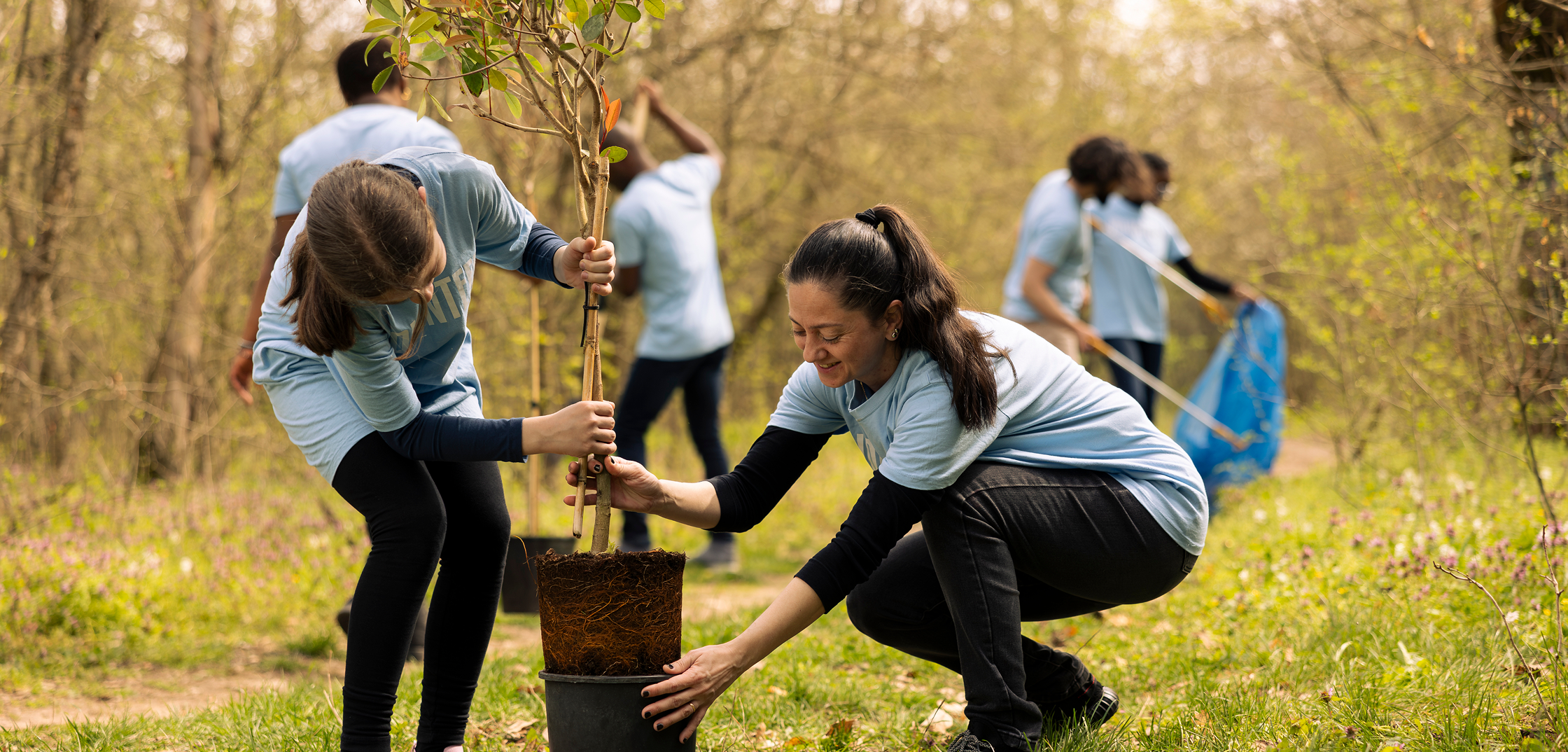
• Environmental awareness is supported through tree-planting events carried out in collaboration with the Marmaris Forestry Directorate, and contributions are also made to long-standing sapling planting and afforestation efforts across various regions of Türkiye.